
Property Emergency Response Playbook for Landlords

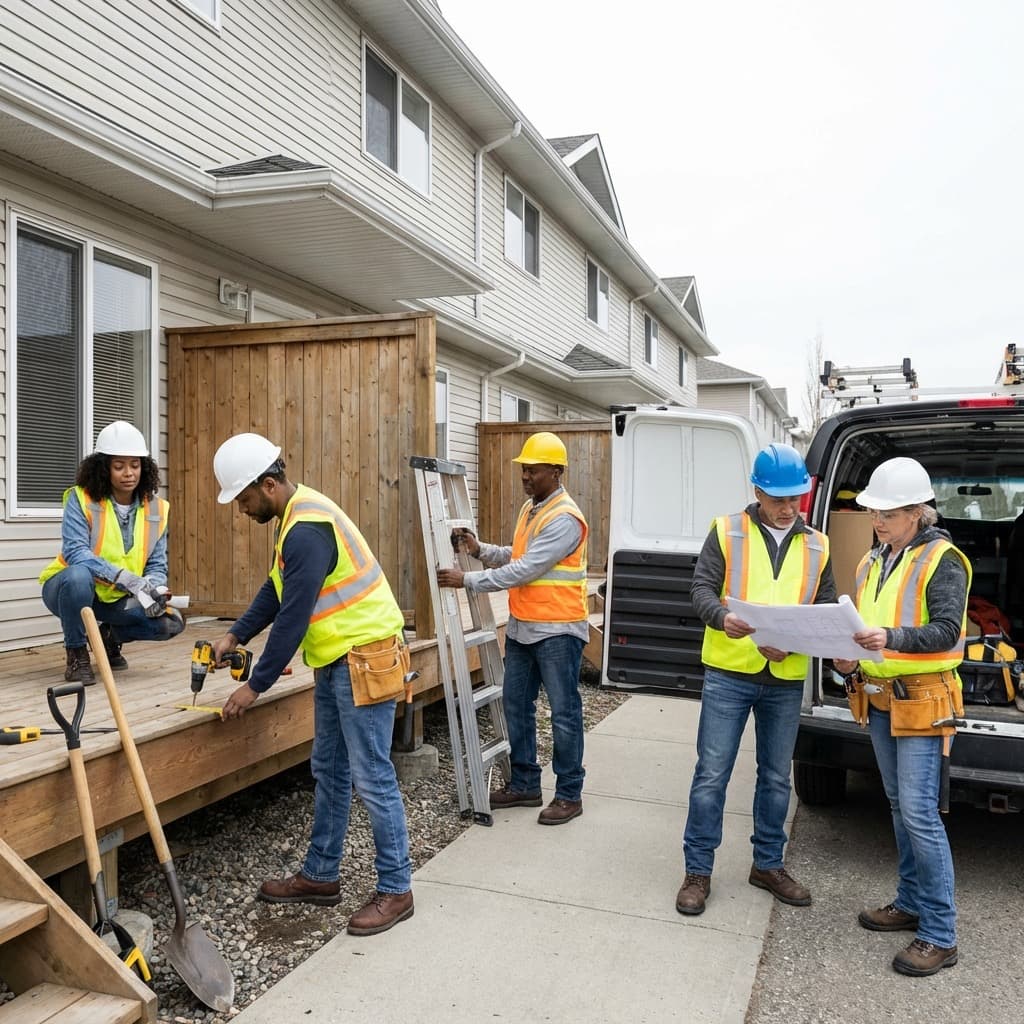
Property Emergency Response Playbook: Complete Crisis Management Template
Property emergencies don't wait for convenient times. A burst pipe at 2 AM on Christmas Eve. A fire alarm during your vacation. A tenant locked out in freezing weather. An eviction notice served improperly. These crises require immediate, decisive action—and the wrong response can cost thousands of dollars or result in lawsuits.
This comprehensive Property Emergency Response Playbook provides step-by-step protocols for 15 common rental property emergencies, complete with response timelines, vendor contact templates, legal compliance checklists, and tenant communication scripts.
Save this playbook. Print it. Share it with your property manager. Keep copies at each property. When crisis strikes, you'll have a clear action plan instead of panic.
How to Use This Playbook
Organization System
Each emergency response protocol includes:
- Severity Level (Critical/High/Moderate/Low)
- Response Timeline (Immediate/4 hours/24 hours/48 hours)
- Legal Requirements (State/local compliance checklist)
- Step-by-Step Protocol (Detailed action sequence)
- Vendor Contact Template (Who to call and what to say)
- Tenant Communication Script (How to inform and reassure)
- Documentation Requirements (What to record and save)
- Cost Expectations (Typical expense ranges)
- Insurance Considerations (Claim procedures)
- Prevention Strategies (Avoid future occurrences)
Emergency Contact List Template
Print this and keep updated copies:
PRIMARY EMERGENCY CONTACTS:
- Property Manager: _____________________ | Phone: _________________
- Your Cell: _____________________ | Alt Phone: _________________
- Backup Manager: _____________________ | Phone: _________________
UTILITY EMERGENCIES:
- Emergency Plumber: _____________________ | Phone: _________________
- 24/7 HVAC: _____________________ | Phone: _________________
- Electrician: _____________________ | Phone: _________________
- Gas Company Emergency: _____________________ | Phone: _________________
- Water Company: _____________________ | Phone: _________________
- Electric Company: _____________________ | Phone: _________________
GENERAL CONTRACTORS:
- Restoration Company: _____________________ | Phone: _________________
- Locksmith (24/7): _____________________ | Phone: _________________
- Roofing Emergency: _____________________ | Phone: _________________
- Window/Glass Repair: _____________________ | Phone: _________________
- Tree Service: _____________________ | Phone: _________________
LEGAL & INSURANCE:
- Insurance Agent: _____________________ | Phone: _________________
- Insurance 24/7 Claims: _____________________ | Policy #: _________________
- Real Estate Attorney: _____________________ | Phone: _________________
- Eviction Attorney: _____________________ | Phone: _________________
SAFETY & SECURITY:
- Local Police Non-Emergency: _____________________
- Fire Department Non-Emergency: _____________________
- Code Enforcement: _____________________
- Pest Control Emergency: _____________________
- Security Company: _____________________
EMERGENCY #1: Water Leak / Burst Pipe
Severity: CRITICAL
Response Time: IMMEDIATE (within 30 minutes)
Typical Cost: $500-5,000 (small leak) | $10,000-50,000+ (major burst)
Immediate Actions (0-30 Minutes)
Step 1: Stop the Water (First 5 minutes)
- Instruct tenant to shut off water at main valve (if accessible)
- If tenant unable, dispatch emergency plumber immediately
- Water shutoff locations to know:
- Main valve (usually in basement, crawl space, or exterior)
- Individual fixture shutoffs (under sinks, behind toilets)
- Water heater shutoff
Step 2: Assess Damage (Minutes 5-15)
- Get photos/video from tenant immediately
- Questions to ask tenant:
- Where is water coming from?
- How much water? (trickle, steady flow, gushing)
- How long has it been leaking?
- What areas are affected?
- Is there ceiling damage or bulging?
- Are electrical outlets near water?
Step 3: Protect Property (Minutes 15-30)
- Instruct tenant to:
- Move valuables away from water
- Place towels/buckets to contain water
- Open windows for ventilation (if weather permits)
- Take photos of ALL damage
- DO NOT use electrical appliances near water
Immediate Response Protocol (30 Minutes - 4 Hours)
Step 4: Dispatch Emergency Plumber
Script for Plumber:
"This is [Your Name], owner of property at [Address]. I have a [burst pipe/major leak] emergency. Tenant reports [describe situation]. Water is [shut off / still running]. This is urgent—tenant has [standing water / ceiling damage / flooding]. Can you respond within [1-2 hours]? My callback number is [Phone]. Tenant contact: [Name/Phone]."
Step 5: Start Water Extraction
- For minor leaks: Tenant can use wet/dry vac or towels
- For major flooding (1+ inches standing water):
- Call water restoration company IMMEDIATELY
- Every hour of standing water = exponentially more damage
- Mold can start forming within 24-48 hours
Step 6: Document Everything
- Take timestamped photos/video
- Document:
- Initial leak discovery time
- Water source and cause
- Affected areas
- Actions taken
- Vendor responses
- All costs incurred
Follow-Up Actions (4-48 Hours)
Step 7: Complete Repairs
- Fix source of leak (plumber)
- Extract all standing water (restoration company if needed)
- Set up dehumidifiers and fans (24-72 hours of drying minimum)
- Remove damaged drywall, flooring, or insulation
- Moisture test before declaring area dry (moisture meter reading below 20%)
Step 8: Prevent Mold
- Humidity must stay below 60%
- Air circulation critical for 48-72 hours minimum
- Consider professional mold testing if extensive water damage
- Document moisture readings daily
Step 9: Insurance Claim
- Call insurance company within 24 hours
- Provide:
- Photos/videos of damage
- Plumber's report
- Restoration company estimate
- List of damaged items
- Timeline of events
- Get claim number and adjuster contact
Tenant Communication Template
Initial Text/Call (First 30 minutes):
"Thank you for reporting this immediately. I've shut off the water and dispatched our emergency plumber [Name] who will arrive by [Time]. Please take photos of all damage and move your belongings away from the water. I'll cover the repair costs. Let me know if you need anything. I'll call you in 30 minutes with an update."
Follow-Up Email (Within 4 hours):
Subject: Water Emergency Update - [Address]
Hi [Tenant Name],
Here's an update on the water leak at your property:
Current Status:
- Water has been shut off
- [Plumber Name] completed emergency repairs at [Time]
- Cause identified: [burst pipe / failed water heater / etc.]
Next Steps:
- Water restoration team arriving [Date/Time] to extract remaining water
- Dehumidifiers will run for 48-72 hours
- Repairs to drywall/flooring will begin [Date]
Your Action Items:
- Keep area well-ventilated (windows open when possible)
- Do not turn fans/dehumidifiers off
- Document any of your personal items damaged for your renter's insurance claim
Compensation:
- I'm processing a [rent credit/reimbursement] for the inconvenience
- If unit is uninhabitable, we'll discuss temporary housing
Thank you for your quick action in reporting this. Let me know if you have questions.
[Your Name]
[Phone]
Prevention Strategies
Implement These to Avoid Future Water Emergencies:
-
Annual Plumbing Inspections
- Check all supply lines (look for corrosion)
- Test water heater pressure relief valve
- Inspect for slow leaks under sinks
- Check toilet seals and wax rings
-
Tenant Education
- Provide written water shutoff instructions with lease
- Show tenant where main shutoff valve is located during move-in
- Instruct on what to do if they see water leaking
-
Preventative Replacements
- Replace washing machine hoses every 5 years
- Replace water heaters at 10-12 years (don't wait for failure)
- Upgrade old galvanized pipes (50+ years old)
- Consider whole-house water leak detection system
-
Winterization (Cold Climates)
- Insulate exposed pipes
- Keep heat at 55°F minimum when vacant
- Disconnect exterior hoses
- Drain exterior spigots
Cost Management
Typical Emergency Costs:
- Emergency plumber service call: $150-300 (plus repairs)
- Burst pipe repair: $500-1,500
- Water extraction: $1,000-3,000
- Drywall/flooring replacement: $2,000-10,000
- Mold remediation (if needed): $2,000-10,000
Insurance Coverage:
- Most policies cover sudden burst pipes
- May not cover slow leaks or deferred maintenance
- Typical deductible: $500-2,500
- File claim if damage exceeds $5,000-10,000
EMERGENCY #2: No Heat (Winter)
Severity: CRITICAL (if below 32°F) | HIGH (if below 50°F)
Response Time: IMMEDIATE (within 2-4 hours in freezing weather)
Typical Cost: $150-800 (service call/repair) | $3,000-8,000 (new furnace)
Immediate Actions
Step 1: Assess Severity (First 10 minutes)
- Ask tenant:
- Current indoor temperature?
- Outdoor temperature?
- When did heat stop working?
- Any strange noises or smells from furnace?
- Do they have space heaters?
Step 2: Immediate Safety (First 30 minutes)
- If temperature dropping below 55°F:
- Instruct tenant to open cabinet doors (prevent pipe freezing)
- Let faucets drip slightly
- Close off unused rooms
- Use space heaters SAFELY (away from flammables)
- If below 45°F: Consider temporary housing
Step 3: Dispatch HVAC Technician
Script:
"Emergency no-heat service needed at [Address]. Tenant reports [symptoms]. Outdoor temp is [X°F], indoor now [X°F]. Unit is a [furnace type/age]. This is urgent due to freezing risk. Can you respond within [2-4 hours]? Authorization code [if needed]. Callback: [Phone]. Tenant: [Name/Phone]."
Response Protocol
Step 4: Troubleshoot While Waiting (If Safe) Instruct tenant to check:
- Thermostat set to HEAT mode and above current temp?
- Batteries in thermostat (replace if needed)?
- Circuit breaker for furnace tripped?
- Furnace switch accidentally turned off?
- Pilot light out? (If gas furnace—DO NOT relight if you smell gas)
Step 5: Temporary Heat Solution
- Provide electric space heaters (if < 4 hours to repair)
- Consider hotel accommodation if:
- Repair will take 24+ hours
- Temperature below 45°F
- Vulnerable tenant (elderly, infant, medical conditions)
- Freezing weather forecast
Step 6: Legal Compliance
- Most states require heat maintenance: 68°F minimum
- Cannot leave unit without heat for 24+ hours in cold weather
- Document:
- Time of report
- Immediate actions taken
- Vendor dispatch time
- Repair completion
- Temp accommodation (if provided)
Tenant Communication
Initial Response:
"I'm dispatching our emergency HVAC technician [Name] who will arrive by [Time]. In the meantime: [temporary solutions]. If temperature drops below 50°F before technician arrives, please call me immediately and we'll arrange a hotel. I take this very seriously—you'll be warm tonight."
If Repair Takes 24+ Hours:
"The repair requires [part/new unit] that won't arrive until [Date]. I'm arranging [hotel/temp housing] effective tonight. I'll cover costs and provide a rent credit for the inconvenience. Here's what you need to do: [Check-in details]. I'll update you every 4-6 hours on repair progress."
Prevention
-
Pre-Winter HVAC Inspection (September-October)
- Professional service/cleaning
- Replace filters
- Test heating before cold weather
-
Replace Furnaces Proactively
- 15-20 year old systems: plan replacement within 1-2 years
- Don't wait for mid-winter failure
-
Tenant Instructions
- Provide HVAC manual
- Show how to change filter (if accessible)
- Explain not to close ALL vents (pressure issues)
EMERGENCY #3: Lockout (Tenant Locked Out)
Severity: MODERATE | HIGH (if late night, children inside, or extreme weather)
Response Time: 1-4 hours (or immediate if child inside)
Typical Cost: $75-250
Immediate Assessment
Questions to Ask:
- Is anyone inside the unit? (Children, pets, elderly?)
- Do you have your lease/ID to prove residency?
- Is this an emergency? (Weather, safety concern?)
- What time is it? (After hours = higher urgency/cost)
- Have you tried all doors and windows?
Response Protocol
Standard Lockout (No Emergency):
Step 1: Verify Identity
- Confirm tenant identity (name on lease, ID, rent payment history)
- Never let someone in without verification (security risk)
Step 2: Dispatch Solution
- If you're local: Provide key access within 1-2 hours
- If remote: Dispatch locksmith
Locksmith Script:
"I need a lockout service at [Address] for my tenant [Name]. They have ID proving residency. Unit is a [type]. Please arrive within [1-2 hours] and call me before entry to confirm authorization. Charge to account # [or bill me at]. Callback: [Phone]. Tenant: [Name/Phone]."
Step 3: Cost Responsibility
- Most leases: tenant pays for lockouts
- Clarify this upfront: "The locksmith will bill you directly at approximately $100-150. This is per your lease section [X]."
- Some landlords cover first lockout as goodwill, charge for subsequent
Emergency Lockout (Child Inside, Extreme Weather, Safety Issue):
Step 1: Immediate Action
- If child locked inside alone: Call 911 (fire department can force entry)
- If you're local with keys: Drop everything and respond
- If remote: Dispatch locksmith with 30-60 minute urgent response
Step 2: Legal Liability
- You MUST respond to emergency lockouts immediately
- Delay causing injury = liability
- Document timeline of response
Tenant Communication
Standard Lockout:
"I've verified your identity and dispatched [locksmith / I'm bringing a key]. They/I will arrive by [Time]. The service fee is [amount] per your lease. For future reference, I recommend [hide-a-key / digital lock / key with neighbor]. Let me know when you're back inside safely."
Emergency Lockout:
"I'm dispatching emergency locksmith immediately—ETA 30-45 minutes. If this is a life safety issue and you cannot wait, call 911 and I'll authorize fire department entry. I'll cover the emergency service fee. Your safety is priority. Update me the moment you're inside."
Prevention
-
Digital Locks (Highly Recommended)
- Tenants can't be "locked out" (code access)
- You can provide temporary codes remotely
- No keys to lose or copy
- Cost: $100-300 per door
-
Key Management Protocol
- Require tenants to provide spare key to trusted friend/family
- Recommend hide-a-key (but not under mat—too obvious)
- Document all key copies made
-
Lease Language
- Clearly state tenant responsibility for lockout costs
- Define what constitutes emergency vs standard lockout
- Establish response timeframes
EMERGENCY #4: Fire or Smoke Damage
Severity: CRITICAL
Response Time: IMMEDIATE
Typical Cost: $10,000-100,000+ (often insurance covered)
Immediate Safety Protocol
Step 1: Confirm Safety (First 5 Minutes)
- Is everyone out and safe?
- Has 911 been called?
- Is fire department on scene?
- Are there injuries?
- PRIORITY: Life safety first, property second
Step 2: Contact Emergency Services (If Not Done)
- Call 911 immediately if active fire
- Evacuate all residents
- Do NOT re-enter building for ANY reason
Step 3: Secure Scene (After Fire Dept Clears)
- Fire department will determine when safe to re-enter
- Do NOT enter until official all-clear given
- Document everything with photos/video once safe
Immediate Actions (After Safety Confirmed)
Step 4: Assess Damage
- Meet with fire marshal for cause determination
- Get fire marshal's report (needed for insurance)
- Document:
- Fire cause
- Affected areas
- Smoke damage extent
- Water damage from firefighting
- Structural integrity
Step 5: Contact Insurance IMMEDIATELY
- Call within 2-4 hours of fire (most policies require prompt notice)
- Get claim number
- Ask about emergency housing coverage for tenant
- Request emergency board-up and securing (insurance usually covers)
Step 6: Secure Property
- Board up broken windows/doors
- Turn off utilities (gas, electric) if damaged
- Secure valuable items
- Post "No Trespassing" signs
- Consider 24/7 security if valuable property exposed
Response Protocol (24-72 Hours)
Step 7: Hire Restoration Company
- Contact fire/smoke restoration specialist
- They handle:
- Smoke odor removal
- Soot cleaning
- Water extraction (from firefighting)
- Contents cleaning/storage
- Demolition of damaged materials
- Get multiple estimates (insurance adjuster will evaluate)
Step 8: Tenant Displacement
- If unit uninhabitable:
- Review lease and insurance for relocation responsibilities
- Many policies cover "loss of rents" for landlord
- Some policies cover tenant temporary housing
- Provide 30-day notice of situation in writing
- Discuss options:
- Temporary housing (if policy covers)
- Move to another unit you own
- Lease termination without penalty
- Rent abatement during repairs
Step 9: Investigation
- Determine cause:
- Electrical fault (potential liability issue)
- Cooking fire (potential tenant negligence)
- Arson (criminal investigation)
- Natural disaster
- Review lease for tenant liability clauses
- Consult attorney if cause is disputed
Tenant Communication
Immediate (Day of Fire):
"[Tenant Name], I'm incredibly relieved you're safe. That's what matters most. I know this is traumatic. Here's what's happening next:
Immediate: Do not return to unit until fire marshal clears it.
Tonight: [Hotel/temp housing arrangements]. I'm covering costs through [date].
Tomorrow: We'll meet at [time] to document your belongings and discuss next steps.
This Week: Insurance adjuster will assess damage. I'll keep you updated daily.
Please document all your damaged belongings for your renter's insurance claim. Let me know what you need right now—clothing, toiletries, etc. We'll figure this out together."
Week 1 Follow-Up:
Subject: Fire Damage Update and Your Options
Hi [Tenant],
I wanted to update you on the repair timeline:
Damage Assessment: [Summary of damage]
Estimated Repair Time: [X weeks/months]
Your Options:
Temporary Housing: I can arrange [details] while repairs are completed. Estimated completion: [Date].
Transfer to Another Unit: [If available]
Lease Termination: If you prefer to move elsewhere, I'll waive all fees and provide positive reference.
Rent Status: No rent will be charged during repair period. [Refund details if applicable].
Please let me know your preference by [Date]. I'm committed to making this right.
Prevention
-
Smoke Detectors
- Install in every bedroom, hallway, and level
- Test every 6 months
- Replace batteries annually
- Replace units every 10 years
- Interconnected detectors highly recommended
-
Fire Extinguishers
- Provide in kitchen
- Check pressure annually
- Replace every 5-10 years
-
Tenant Education
- Provide fire safety instructions with lease
- Explain never leaving cooking unattended
- Candle safety (or prohibit candles)
- Smoking policies (outdoor only)
-
Electrical Safety
- Replace old wiring (aluminum, knob-and-tube)
- GFCI outlets in kitchens/bathrooms
- AFCI breakers in bedrooms
- Professional inspections every 10 years
EMERGENCY #5: Severe Weather / Natural Disaster
Severity: CRITICAL
Response Time: IMMEDIATE
Typical Cost: $0-100,000+ (highly variable)
Pre-Disaster Preparation
Before Hurricane/Tornado/Flood Season:
- Ensure insurance is current and adequate
- Have emergency contact list ready
- Pre-arrange backup housing options
- Document property condition (photos/video)
- Trim trees near structures
Active Disaster Protocol
Step 1: Tenant Safety First
- Advise tenant to evacuate if ordered
- Provide evacuation recommendations even if not ordered
- Never encourage staying if dangerous
Step 2: Pre-Disaster Securing
- If time allows before disaster:
- Board windows (or instruct tenant)
- Turn off utilities (if flooding expected)
- Move valuables to upper floors (if flooding)
- Secure outdoor items
Step 3: During Disaster
- DO NOT attempt property inspections during active disaster
- Maintain contact with tenant (if safely possible)
- Monitor news for disaster updates
Post-Disaster Response
Step 4: Safety Assessment (Within 24-48 Hours)
- DO NOT enter until authorities deem safe
- Check for:
- Structural damage
- Gas leaks (smell)
- Electrical hazards (downed lines, exposed wiring)
- Water contamination
- Mold (in flooding)
Step 5: Document Everything
- Photos/videos of ALL damage
- Exterior damage
- Interior damage room-by-room
- Personal property damage (tenant's)
- Neighboring properties (for context)
- Time-stamped documentation critical
Step 6: Emergency Repairs
- Tarp damaged roof
- Board broken windows
- Turn off utilities if needed
- Remove standing water
- Begin drying process (within 24-48 hours to prevent mold)
Step 7: Insurance Claim
- File within 24-72 hours
- Provide complete documentation
- Get adjuster appointment ASAP
- Know your coverage:
- Flood insurance separate from homeowner's
- Wind vs water damage (hurricanes)
- Actual cash value vs replacement cost
Tenant Displacement
If Property Uninhabitable:
- Review lease for disaster clauses
- Provide written notice of situation
- Discuss options:
- Temporary housing (if insurance covers)
- Another unit you own
- Lease termination without penalty
- Timeline for repairs
Communication:
"I've assessed the [flood/hurricane/tornado] damage. Unfortunately, the property is currently uninhabitable due to [specific damage]. Here's the situation:
Safety Status: Unit is [not safe to enter / safe but not livable] Damage Summary: [Details] Repair Timeline: Estimated [X weeks/months]
Your Options:
- [Temporary housing] while I complete repairs (estimated completion [Date])
- [Transfer to another unit if available]
- Lease termination without penalty (effective immediately)
Your Belongings: [Access schedule for retrieval if safe]
Rent: You will not be charged rent during the uninhabitable period. [Prorated refund if applicable].
This is devastating for both of us. Let me know your preference and what support you need."
Legal Considerations
Habitability Laws:
- Most states: landlord must maintain habitable premises
- Natural disaster may trigger:
- Rent abatement during repairs
- Lease termination rights (for both parties)
- Obligation to make repairs within reasonable time
Force Majeure Clauses:
- Review your lease for disaster provisions
- Some leases allow termination after natural disaster
- Document that disaster was beyond your control
Prevention & Mitigation
-
Insurance Review
- Adequate coverage limits
- Flood insurance (if in flood zone)
- Actual replacement cost (not ACV)
- Loss of rents coverage
- Ordinance/law coverage (for code upgrades)
-
Property Hardening
- Impact-resistant windows/doors (hurricane zones)
- Roof strapping/hurricane clips
- Sump pumps with battery backup (flood-prone)
- Backflow preventers (sewage backup)
-
Emergency Fund
- Maintain 3-6 months reserves per property
- Disasters often exceed insurance coverage
- Deductibles can be $5,000-10,000
EMERGENCY CONTACTS MASTER TEMPLATE
Utility Emergencies
- Emergency Plumber: _________________ | 24/7: _________________
- HVAC Emergency: _________________ | 24/7: _________________
- Electrician: _________________ | 24/7: _________________
- Gas Company Emergency: _________________ (usually utility company 24/7 line)
- Water Department: _________________ | Hours: _________________
- Electric Company: _________________ | Outage Line: _________________
Property Emergencies
- Restoration Company: _________________ | 24/7: _________________
- Roofing Emergency: _________________ | Phone: _________________
- 24/7 Locksmith: _________________ | Phone: _________________
- Window/Glass Repair: _________________ | Phone: _________________
- Tree Service: _________________ | Emergency: _________________
- Snow Removal: _________________ | Phone: _________________
Safety & Security
- Local Police Non-Emergency: _________________
- Fire Department Non-Emergency: _________________
- Poison Control: 1-800-222-1222
- Security System Company: _________________ | Account: _________________
Insurance & Legal
- Insurance Agent: _________________ | Office: _________________
- Insurance 24/7 Claims: _________________ | Policy #: _________________
- Real Estate Attorney: _________________ | Office: _________________
- Eviction Attorney: _________________ | Office: _________________
Property Management
- Property Manager: _________________ | Cell: _________________
- Backup Manager: _________________ | Phone: _________________
- Maintenance Coordinator: _________________ | Phone: _________________
Emergency Response Checklist
Print and keep with this playbook:
Immediate Response (0-30 minutes)
- [ ] Tenant contacted and safety confirmed
- [ ] Situation assessed (severity, urgency, cause)
- [ ] Photos/video documentation begun
- [ ] Emergency services called if needed (911, utility companies)
- [ ] Immediate mitigation steps taken (shut off water, turn off utilities, etc.)
Short-Term Response (30 minutes - 4 hours)
- [ ] Vendor dispatched (plumber, HVAC, locksmith, etc.)
- [ ] Vendor arrival time confirmed
- [ ] Tenant updated on timeline
- [ ] Temporary solutions implemented (space heaters, towels, etc.)
- [ ] Additional documentation collected
Follow-Up Response (4-48 hours)
- [ ] Emergency repairs completed
- [ ] Additional repairs scheduled (if needed)
- [ ] Insurance company notified (if applicable)
- [ ] Tenant accommodations arranged (if needed)
- [ ] All costs documented
- [ ] Vendor invoices collected
Administrative (Within 7 days)
- [ ] Incident report completed
- [ ] All documentation organized (photos, videos, invoices, communications)
- [ ] Insurance claim filed (if applicable)
- [ ] Rent adjustments processed (if needed)
- [ ] Tenant satisfaction confirmed
- [ ] Prevention measures identified and planned
Documentation Template
Copy and complete for every emergency:
INCIDENT REPORT
Property Address: _______________________________
Date of Incident: _____________ | Time: _____________
Reported By: _________________ | Contact: _____________
Type of Emergency: _______________________________
Initial Assessment:
- Severity Level: [ ] Critical [ ] High [ ] Moderate [ ] Low
- Immediate Safety Concerns: _______________________________
- Estimated Damage Cost: _______________________________
Actions Taken:
Time: _______ | Action: _______________________________
Time: _______ | Action: _______________________________
Time: _______ | Action: _______________________________
Vendors Contacted:
Company: _____________ | Contact: _____________ | Time Called: _______ | Arrival Time: _______ | Completion: _______
Costs Incurred:
- Vendor 1: _____________ | $_____________ | Invoice #: _____________
- Vendor 2: _____________ | $_____________ | Invoice #: _____________
- Total Cost: $_____________
Insurance Claim:
- [ ] Claim Filed | Claim #: _____________ | Date: _____________
- [ ] Claim Not Needed
Tenant Impact:
- Displacement Required: [ ] Yes [ ] No
- Rent Adjustment: [ ] Yes - $_____________ | [ ] No
- Tenant Satisfaction: [ ] Satisfied [ ] Issues
Prevention Measures Identified:
Completed By: _________________ | Date: _____________
Final Recommendations
Maintain This Playbook
-
Update Contact Information Quarterly
- Vendors change phone numbers
- Your team changes
- Tenant contacts change
-
Review Annually
- Update costs
- Add new emergency scenarios you encounter
- Improve protocols based on experience
-
Share with Your Team
- Property managers need access
- Maintenance coordinators need copies
- Keep copies at each property
-
Practice Before Emergencies
- Do you know where water shutoffs are at each property?
- Have you met your emergency vendors?
- Do tenants know who to call?
Build Your Emergency Fund
Recommended Reserves Per Property:
- Single-family: $5,000-10,000
- Multi-family: $10,000-20,000
- Commercial: $20,000-50,000
Emergencies are not "if" but "when." Properties are physical assets that age and fail. The landlords who thrive are those who prepare, respond quickly, and learn from each crisis.
Save this playbook. When crisis strikes at 2 AM, you'll know exactly what to do.
Need more emergency protocols? Additional sections can be added for: Tenant Death, Biohazard Cleanup, Pest Infestation Emergencies, Electrical Fire Prevention, Gas Leak Protocol, and more.
Related Content
📝 First-Time Landlord Complete Playbook: Your Ultimate Guide to Year One
Step-by-step guide for first-time landlords covering property prep, legal setup, tenant screening, and ongoing management.
📝 2026 Rental Market Trends: What Property Owners Need to Know
2026 rental market trends: rent growth, occupancy rates, market shifts, and investment opportunities for landlords.
📝 How to Handle Emergency Maintenance: A Property Owner's Guide
Handle emergency maintenance effectively. Step-by-step guidance for common emergencies and contractor management.
🔧 ROI Calculator
Calculate return on investment
🔧 Property Investment Analyzer
Comprehensive property analysis tool
🔧 BRRRR Calculator
Analyze buy-rehab-rent-refinance deals