
How to Handle Emergency Maintenance: A Property Owner's Guide

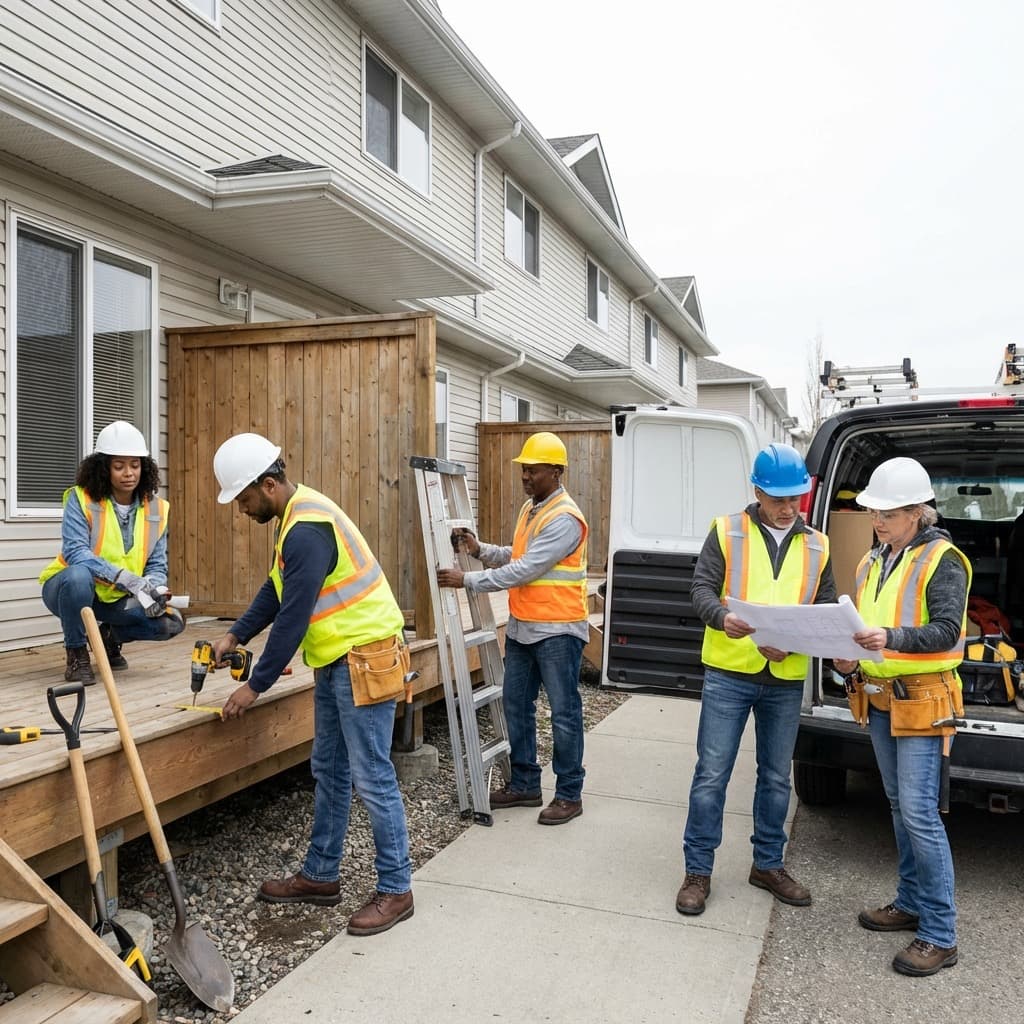
Emergency maintenance calls are one of the most stressful aspects of property management. A burst pipe at 2 AM, a broken furnace in winter, or a gas leak can turn a normal day into a crisis. How you handle these emergencies not only affects your property and finances but also your relationship with tenants and your reputation as a property owner.
This comprehensive guide covers everything you need to know about handling emergency maintenance situations. We'll define what constitutes an emergency, provide step-by-step response procedures for common emergencies, explain how to build a reliable contractor network, and share strategies to prevent emergencies from becoming disasters. Being prepared can mean the difference between a quick, cost-effective resolution and a costly, time-consuming nightmare.
1 / Defining Emergency vs. Non-Emergency
The first step in handling emergencies effectively is understanding what actually constitutes an emergency. Not every maintenance request requires immediate attention, and knowing the difference helps you prioritize and manage resources effectively.
What is a true emergency?
True Emergencies (Respond Immediately):
- Gas leaks: Immediate danger to life and property
- No heat in winter: Health and safety risk, especially for elderly or infants
- Burst pipes or major water leaks: Can cause extensive property damage
- Sewer backups: Health hazard and property damage
- Electrical fires or sparking: Fire and safety hazard
- Broken locks or security issues: Safety concern
- No water: Essential service, health concern
- Carbon monoxide alarms: Immediate life safety issue
- Structural damage: Safety hazard (collapsed ceiling, etc.)
- Flooding: Active water damage
Non-Emergencies (Can Wait):
- Broken appliances (unless it's the only refrigerator/freezer)
- Minor leaks (dripping faucets)
- Non-working air conditioning (unless extreme heat with health risks)
- Minor electrical issues (outlet not working)
- Cosmetic issues (peeling paint, scuffed floors)
- Routine maintenance (filter changes, etc.)
Why the distinction matters
Responding to Non-Emergencies as Emergencies:
- Wastes resources and money
- Makes true emergencies harder to address
- Sets unrealistic tenant expectations
- Increases costs (emergency rates for contractors)
Not Responding to True Emergencies Quickly:
- Can cause extensive property damage
- Creates safety hazards
- Violates habitability requirements
- Damages tenant relationships
- Can result in legal liability
Setting expectations with tenants
In Your Lease Agreement:
- Define what constitutes an emergency
- Explain response procedures
- Set expectations for non-emergency requests
- Provide emergency contact information
In Tenant Welcome Package:
- Emergency contact numbers
- What to do in common emergencies
- When to call vs. when to wait
- How to report emergencies
Pro Tip: Create a simple guide for tenants: "If it's a safety issue, health risk, or causing active property damage, it's an emergency. Otherwise, report it during business hours."
2 / Common Emergency Scenarios and Response Procedures
Each type of emergency requires a specific response. Here's how to handle the most common emergency situations:
Water emergencies
Burst Pipes or Major Leaks:
Immediate Actions:
- Shut off water: Locate and turn off main water valve
- Contact tenant: Ensure they've shut off water if accessible
- Call plumber: Contact emergency plumber immediately
- Document damage: Take photos/videos of damage
- Mitigate damage: Remove standing water, move furniture
- Contact insurance: If damage is significant, contact insurance company
Prevention:
- Insulate pipes in cold areas
- Keep heat on during cold weather (even if vacant)
- Regular pipe inspections
- Know location of all shut-off valves
Sewer Backups:
Immediate Actions:
- Stop using water: Prevent further backup
- Call plumber/sewer company: Emergency service needed
- Document: Photos of backup and damage
- Health precautions: Avoid contact with sewage
- Cleanup: Professional cleaning service (sewage is hazardous)
Prevention:
- Regular drain cleaning
- Avoid flushing inappropriate items
- Tree root management (if applicable)
Heating and cooling emergencies
No Heat in Winter:
Immediate Actions:
- Verify the problem: Is it the entire building or one unit?
- Check simple solutions: Thermostat settings, circuit breakers
- Call HVAC contractor: Emergency service needed
- Provide temporary heat: Space heaters if safe and appropriate
- Consider hotel: For extreme cold or extended outage
Legal Note: In many states, lack of heat in winter violates habitability requirements. You must respond promptly.
No Air Conditioning in Extreme Heat:
Immediate Actions:
- Assess health risk: Is tenant elderly, ill, or with health conditions?
- Call HVAC contractor: Emergency service if health risk
- Provide temporary cooling: Window units, fans if appropriate
- Consider hotel: For extreme heat with health risks
Note: AC is typically not required by law (unlike heat), but extreme heat with vulnerable tenants may require action.
Gas leaks
Immediate Actions (CRITICAL):
- Evacuate immediately: Get everyone out of the building
- Call 911: Gas leaks are life-threatening
- Call gas company: They have emergency response teams
- Do NOT: Use phones, light switches, or anything that could spark
- Do NOT: Try to fix it yourself
- Wait for professionals: Only re-enter when cleared by gas company
Prevention:
- Regular gas line inspections
- Install gas leak detectors
- Educate tenants on gas safety
- Know location of gas shut-off valve
This is a TRUE EMERGENCY - respond immediately and call professionals.
Electrical emergencies
Electrical Fires or Sparking:
Immediate Actions:
- Call 911: If fire, call fire department
- Shut off power: At circuit breaker if safe to do so
- Call electrician: Emergency service needed
- Do NOT use: Affected circuits or outlets
- Document: Photos of problem area
Power Outages:
Immediate Actions:
- Check if building-wide or unit-specific: Call utility company if building-wide
- Check circuit breakers: May be simple fix
- Call electrician: If unit-specific and breakers are fine
- Provide temporary solutions: If extended outage
Prevention:
- Regular electrical inspections
- Update old electrical systems
- Avoid overloading circuits
- Know location of circuit breaker panel
Security emergencies
Broken Locks or Security Issues:
Immediate Actions:
- Assess security risk: Is property currently secure?
- Temporary fix: If possible, secure property immediately
- Call locksmith: Emergency service for lock replacement
- Notify tenant: Keep them informed
- Document: Photos and incident report
Break-Ins or Vandalism:
Immediate Actions:
- Call 911: If crime in progress or just occurred
- Secure property: Board up broken windows/doors
- Document damage: Photos and police report
- Contact insurance: File claim if covered
- Notify tenant: Keep them informed
- Repair promptly: Restore security quickly
3 / Building Your Emergency Contractor Network
Having reliable contractors available 24/7 is essential for handling emergencies effectively. Building this network before you need it prevents panic and ensures quality work.
Essential contractors to have on call
Must-Have Emergency Contractors:
- Plumber: 24/7 emergency service
- HVAC contractor: Heating and cooling emergencies
- Electrician: Electrical emergencies
- Locksmith: Security issues
- General contractor: For structural issues
- Water damage restoration: For flooding and water damage
- Roofing contractor: For roof emergencies
How to find reliable emergency contractors
Referrals:
- Other property owners
- Property management companies
- Real estate agents
- Local landlord associations
Online Platforms:
- Thumbtack, Angi (Angie's List), HomeAdvisor
- Check reviews and ratings
- Verify licenses and insurance
Local Trade Associations:
- Plumbing associations
- Electrical contractors associations
- Better Business Bureau
Property Management Software:
- Some platforms maintain contractor networks
- Pre-vetted contractors
- Integrated scheduling
Vetting contractors
Essential Checks:
- License: Verify state/local licenses
- Insurance: General liability and workers' compensation
- References: Check with other property owners
- 24/7 Availability: Confirm emergency response
- Response Time: Ask about typical emergency response time
- Pricing: Understand emergency rates vs. regular rates
Test Before Emergency:
- Use for non-emergency work first
- Assess quality, reliability, communication
- Build relationship before you need them urgently
Managing contractor relationships
Communication:
- Clear expectations about response times
- Preferred contact methods
- Payment terms and procedures
- Scope of work authorization limits
Documentation:
- Keep contractor contact information organized
- Maintain list of preferred contractors by trade
- Track performance and reliability
- Note pricing and payment history
Backup Contractors:
- Have at least 2 contractors per trade
- Primary and backup for each emergency type
- Prevents being stuck if one is unavailable
My Property Platform includes contractor management features that help you build and maintain your emergency contractor network. Store contact information, track response times, manage work orders, and maintain a complete history of all contractor work.
4 / Emergency Response Procedures and Communication
Having clear procedures and good communication during emergencies reduces stress, prevents mistakes, and maintains tenant relationships.
Step-by-step emergency response procedure
Step 1: Assess the Situation
- Determine if it's a true emergency
- Assess immediate safety risks
- Understand scope of problem
Step 2: Ensure Safety
- Evacuate if necessary (gas leaks, fires)
- Shut off utilities if needed (water, gas, electricity)
- Secure property if security issue
Step 3: Contact Appropriate Professional
- Call 911 for life-threatening situations
- Contact appropriate contractor
- Provide clear description of problem
Step 4: Communicate with Tenant
- Acknowledge the emergency
- Explain what you're doing
- Provide timeline for resolution
- Keep them updated throughout process
Step 5: Document Everything
- Take photos/videos of damage
- Keep records of all communications
- Document contractor work and costs
- Maintain incident report
Step 6: Follow Up
- Ensure problem is fully resolved
- Check with tenant that everything is working
- Address any related issues
- Review and improve procedures if needed
Communication best practices
With Tenants:
- Respond quickly: Acknowledge emergency within 15-30 minutes
- Be clear: Explain what's happening and what you're doing
- Set expectations: Provide realistic timeline
- Update regularly: Keep tenant informed of progress
- Be empathetic: Acknowledge inconvenience and stress
With Contractors:
- Provide clear information: Describe problem accurately
- Authorize work: Give clear authorization and spending limits
- Be available: Answer questions quickly
- Document agreements: Confirm scope and pricing
With Insurance:
- Report promptly: Contact insurance for significant damage
- Document thoroughly: Photos, receipts, contractor reports
- Follow procedures: Complete required forms and processes
- Keep records: Maintain all documentation
Emergency contact information
Create Emergency Contact Sheet:
- Your contact information (24/7)
- Property management company (if applicable)
- All emergency contractors
- Utility companies
- Insurance company
- Local authorities (non-emergency numbers)
Provide to Tenants:
- Give tenants emergency contact information
- Post in common areas (if applicable)
- Include in lease and welcome package
- Update when information changes
5 / Cost Management and Insurance
Emergency repairs can be expensive, but proper planning and insurance can help manage costs effectively.
Understanding emergency repair costs
Why Emergency Repairs Cost More:
- After-hours rates: Contractors charge premium for nights/weekends
- Rush service: Priority service costs more
- Limited options: Fewer contractors available, less competition
- Urgency premium: Contractors know you need immediate service
Typical Emergency Rate Premiums:
- After-hours (evenings): 1.5-2x regular rate
- Weekends: 2-2.5x regular rate
- Holidays: 2.5-3x regular rate
- Middle of night: 3-4x regular rate
Budgeting for emergencies
Emergency Reserve Fund:
- Set aside 5-10% of annual rent for emergency repairs
- For $200,000 property: $10,000-$20,000 reserve
- Adjust based on property age and condition
Per-Property Reserves:
- $2,000-$5,000 per property minimum
- More for older properties or properties with known issues
- Replenish after each emergency
Portfolio Reserves:
- If managing multiple properties, larger reserve fund
- Can cover emergencies across portfolio
- More flexibility in allocation
Insurance coverage
Property Insurance:
- Covers damage from covered perils (fire, water damage, etc.)
- May cover emergency repairs to prevent further damage
- Understand your policy coverage and deductibles
Liability Insurance:
- Protects if emergency causes injury
- Covers legal costs if sued
- Essential for property owners
Loss of Rent Insurance:
- Covers lost rent if property is uninhabitable
- Can be valuable for major emergencies
- Check policy terms
Working with insurance
When to File a Claim:
- Damage exceeds deductible significantly
- Major structural damage
- Extensive water damage
- Fire damage
- Other covered perils
When NOT to File:
- Minor repairs below deductible
- Routine maintenance issues
- Wear and tear
- Damage not covered by policy
Filing Process:
- Document damage thoroughly (photos, videos)
- Contact insurance company promptly
- Get contractor estimates
- Work with adjuster
- Complete repairs with approved contractors
- Submit receipts and documentation
Pro Tip: Understand your insurance policy before emergencies happen. Know your deductibles, coverage limits, and what's covered. This prevents surprises and helps you make better decisions during emergencies.
6 / Preventing Emergencies: Proactive Maintenance
The best way to handle emergencies is to prevent them. Proactive maintenance reduces emergency frequency and saves money in the long run.
Regular maintenance schedule
Monthly:
- Check for leaks (under sinks, around toilets, water heater)
- Test smoke and carbon monoxide detectors
- Inspect HVAC filters
- Check for pest issues
Quarterly:
- HVAC system servicing
- Plumbing inspections
- Electrical system checks
- Exterior inspections (roof, gutters, foundation)
Annually:
- Comprehensive property inspection
- HVAC system deep cleaning
- Plumbing system inspection
- Electrical system inspection
- Roof inspection
- Foundation inspection
Key areas to monitor
Plumbing:
- Water pressure changes
- Slow drains
- Water heater age and condition
- Pipe condition (especially in cold areas)
- Toilet and faucet condition
HVAC:
- Regular filter changes
- Annual servicing
- Age of system (replace before failure)
- Ductwork condition
- Thermostat functionality
Electrical:
- Circuit breaker issues
- Outlet functionality
- Wiring age and condition
- GFCI outlets (test regularly)
- Electrical panel condition
Structural:
- Roof condition and age
- Foundation issues
- Exterior walls and siding
- Windows and doors
- Gutters and drainage
Early warning signs
Plumbing:
- Decreased water pressure
- Slow drains
- Unusual sounds
- Water stains
- Higher water bills
HVAC:
- Unusual noises
- Inconsistent temperatures
- Higher energy bills
- Frequent cycling
- Poor air quality
Electrical:
- Flickering lights
- Tripping breakers
- Warm outlets or switches
- Burning smells
- Sparking
Addressing these early prevents emergencies!
Maintenance documentation
Keep Records:
- All maintenance performed
- Dates and contractors
- Costs
- Next scheduled maintenance
- Replacement schedules
Use Software:
- Property management software tracks maintenance
- Sends reminders for scheduled maintenance
- Maintains complete maintenance history
- Helps identify patterns and issues
My Property Platform includes comprehensive maintenance tracking that helps you stay on top of preventive maintenance. Set up maintenance schedules, receive reminders, track all work performed, and identify properties that need attention before problems become emergencies.
7 / Tenant Education and Emergency Preparedness
Educating tenants about emergencies and how to respond can prevent small problems from becoming big ones and reduce your emergency calls.
What tenants should know
Emergency Contact Information:
- Your 24/7 emergency number
- When to call 911 vs. property manager
- Utility company contacts
- How to report emergencies
Basic Emergency Procedures:
- How to shut off water (main valve location)
- How to shut off gas (if applicable)
- Circuit breaker location and basics
- What to do in common emergencies
Prevention Tips:
- How to prevent frozen pipes
- Proper appliance use
- What not to flush or put down drains
- When to change filters
Providing emergency information
In Lease Agreement:
- Emergency contact procedures
- What constitutes an emergency
- Response time expectations
Welcome Package:
- Emergency contact card
- Basic emergency procedures
- Utility shut-off locations
- Prevention tips
Property Information:
- Post utility shut-off locations
- Provide emergency contact numbers
- Include in tenant portal (if applicable)
Tenant responsibilities
Tenants Should:
- Report problems promptly (before they become emergencies)
- Know how to shut off utilities
- Follow basic maintenance (filter changes, etc.)
- Not attempt repairs themselves (unless authorized)
- Allow access for emergency repairs
Tenants Should NOT:
- Ignore problems hoping they'll go away
- Attempt major repairs themselves
- Delay reporting emergencies
- Block access during emergencies
8 / Common Emergency Mistakes to Avoid
Many property owners make costly mistakes during emergencies. Here are the most common errors to avoid:
Mistake #1: Not having emergency contractors ready
Problem: Scrambling to find contractors during emergency leads to poor choices and higher costs.
Solution: Build contractor network before you need it. Test contractors with non-emergency work.
Mistake #2: Delaying response to true emergencies
Problem: Not responding quickly to emergencies causes more damage and legal issues.
Solution: Have clear procedures and be available 24/7 or have property management company handle.
Mistake #3: Not documenting damage
Problem: Missing documentation makes insurance claims difficult and disputes harder to resolve.
Solution: Always take photos/videos immediately. Document everything thoroughly.
Mistake #4: Poor communication with tenants
Problem: Not keeping tenants informed creates frustration and damages relationships.
Solution: Communicate promptly and regularly. Set expectations and provide updates.
Mistake #5: Not having adequate reserves
Problem: Insufficient emergency funds lead to delayed repairs or poor financial decisions.
Solution: Maintain emergency reserve fund (5-10% of annual rent per property).
Mistake #6: Ignoring preventive maintenance
Problem: Skipping maintenance causes more emergencies and higher costs.
Solution: Follow regular maintenance schedule. Address issues before they become emergencies.
Mistake #7: Not understanding insurance coverage
Problem: Not knowing what's covered leads to missed claims or unnecessary claims.
Solution: Understand your policy. Review coverage annually with insurance agent.
Pro Tip: Create an emergency response checklist and keep it accessible. Having a clear procedure reduces stress and prevents mistakes during emergencies.
9 / Emergency Response Checklist
Use this checklist to ensure you handle emergencies effectively:
Immediate Response (First 15 Minutes)
- [ ] Assess if it's a true emergency
- [ ] Ensure safety (evacuate if necessary)
- [ ] Shut off utilities if needed (water, gas, electricity)
- [ ] Contact appropriate professional (911, contractor)
- [ ] Acknowledge emergency with tenant
Within First Hour
- [ ] Contractor en route or on-site
- [ ] Document damage (photos, videos)
- [ ] Communicate with tenant (what's happening, timeline)
- [ ] Secure property if security issue
- [ ] Contact insurance if significant damage
During Emergency Resolution
- [ ] Monitor contractor progress
- [ ] Keep tenant updated regularly
- [ ] Document all work and costs
- [ ] Ensure safety throughout process
- [ ] Address immediate needs (temporary solutions if needed)
After Emergency is Resolved
- [ ] Verify problem is fully fixed
- [ ] Check with tenant that everything works
- [ ] Complete all documentation
- [ ] File insurance claim if applicable
- [ ] Review what happened and improve procedures
- [ ] Follow up with tenant to ensure satisfaction
Prevention and Planning
- [ ] Maintain emergency contractor network
- [ ] Keep emergency contact information updated
- [ ] Maintain emergency reserve fund
- [ ] Follow preventive maintenance schedule
- [ ] Educate tenants on emergencies
- [ ] Review and update emergency procedures regularly
Conclusion: Preparation Prevents Panic
Handling emergency maintenance effectively requires preparation, good procedures, and reliable contractors. While you can't prevent all emergencies, being prepared makes them manageable rather than catastrophic.
Key Takeaways:
- Know what's an emergency - respond appropriately to true emergencies
- Build contractor network - have reliable contractors ready before you need them
- Communicate effectively - keep tenants informed throughout process
- Document everything - photos, records, and documentation protect you
- Maintain reserves - emergency fund prevents financial stress
- Prevent when possible - proactive maintenance reduces emergencies
- Learn from each emergency - improve procedures based on experience
Remember: Emergencies are stressful, but preparation and good procedures make them manageable. The time invested in building your emergency response system pays off when you need it most.
Resources for Property Owners
Need help managing emergency maintenance? Here are helpful resources:
Related Content
📝 How to Handle Problem Tenants: Legal and Practical Solutions
Handle problem tenants legally. Solutions for late rent, property damage, noise complaints, and lease violations.
📝 First-Time Landlord Complete Playbook: Your Ultimate Guide to Year One
Step-by-step guide for first-time landlords covering property prep, legal setup, tenant screening, and ongoing management.
📝 Fill Vacancies Faster: Marketing Guide for Landlords
Discover the most effective marketing channels for rental properties and learn how to reduce vacancy times while attracting quality tenants.
🔧 ROI Calculator
Calculate return on investment
🔧 Property Investment Analyzer
Comprehensive property analysis tool
🔧 BRRRR Calculator
Analyze buy-rehab-rent-refinance deals