
2026 Rental Market Trends: What Property Owners Need to Know

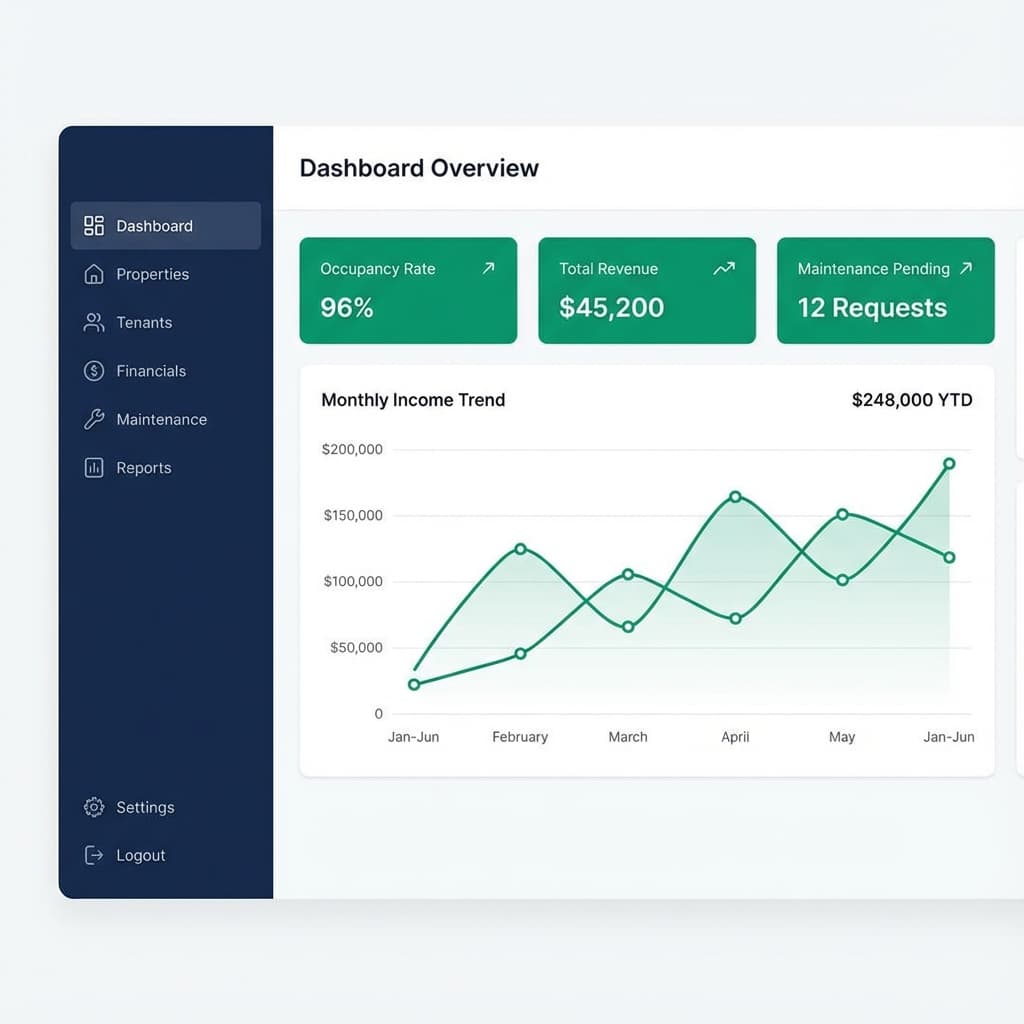
Understanding rental market trends is essential for making informed decisions about your rental properties. Market conditions affect rent prices, occupancy rates, tenant demand, and investment opportunities. Staying ahead of trends helps you optimize rent, reduce vacancies, identify growth opportunities, and navigate market challenges effectively.
This comprehensive guide covers the key rental market trends for 2026. We'll explore rent growth patterns, occupancy rates, regional variations, tenant preferences, and investment opportunities. Whether you're managing existing properties or looking to expand your portfolio, this guide will help you understand the current market and position yourself for success.
1 / National Rental Market Overview
Understanding the national rental market provides context for local decisions and portfolio strategy.

Rent growth trends
2026 Rent Growth:
- Stable Growth: 3-5% annual growth expected
- Normalized Market: Market has stabilized post-pandemic
- Regional Variation: Significant differences by location
- Economic Factors: Influenced by interest rates and economic conditions
Historical Context:
- 2021-2022: Record rent growth (10-15%+)
- 2023-2024: Growth moderated (3-5%)
- 2025: Continued stabilization (3-4%)
- 2026: Stable growth expected (3-5%)
- Normal Range: 3-5% is typical long-term average
Factors Affecting Growth:
- Supply and demand balance
- Economic conditions
- Interest rates
- Housing affordability
- Population growth
Occupancy rates
National Occupancy:
- High Occupancy: 95-97% typical
- Strong Demand: Continued tenant demand
- Stable Market: Low vacancy rates
- Regional Variation: Some markets tighter than others
Vacancy Trends:
- Low Vacancies: Most markets below 5%
- Tight Markets: Some below 3%
- Balanced Markets: 4-6% vacancy
- Soft Markets: 7%+ vacancy (fewer markets)
Factors Affecting Occupancy:
- Job market strength
- Population growth
- New construction
- Affordability
- Economic conditions
Market balance
Supply and Demand:
- New Construction: Increased supply in some markets
- Demand: Remains strong overall
- Balance: Varies by market
- Trend: Moving toward balance
Market Conditions:
- Seller's Market: Still in many areas
- Balanced Market: Emerging in some areas
- Buyer's Market: Rare, but exists in some locations
- Local Variation: Significant differences
Key Insight: The rental market in 2024 is transitioning from the extreme conditions of 2021-2022 to more normalized conditions. While growth has slowed, demand remains strong, and well-positioned properties continue to perform well.
2 / Regional Market Variations
Rental markets vary significantly by region. Understanding regional differences helps you make location-specific decisions.
High-growth markets
Characteristics:
- Strong job growth
- Population influx
- Limited supply
- High demand
- Rising rents
2026 High-Growth Markets:
- Southeast: Florida, Georgia, North Carolina, Tennessee
- Mountain West: Colorado, Utah, Idaho, Montana
- Texas: Major metros (Austin, Dallas, Houston, San Antonio)
- Arizona: Phoenix, Tucson
- Nevada: Las Vegas, Reno
Investment Considerations:
- Higher purchase prices
- Strong competition
- Good appreciation potential
- Strong rental demand
- Higher cash flow potential
Stable markets
Characteristics:
- Steady growth
- Balanced supply/demand
- Moderate rent growth
- Stable occupancy
- Predictable performance
2026 Stable Markets:
- Midwest: Many markets (Chicago, Detroit, Minneapolis)
- Northeast: Some markets (Boston, Philadelphia)
- Pacific Northwest: Stabilized (Seattle, Portland)
- California: Varies by market (some stabilizing, some still strong)
Investment Considerations:
- More affordable entry
- Steady returns
- Lower volatility
- Good cash flow
- Predictable performance
Soft markets
Characteristics:
- Slower growth
- Higher vacancies
- More supply
- Weaker demand
- Price pressure
2026 Soft Markets:
- Some Urban Cores: Continued post-pandemic adjustments
- Oversupplied Markets: Markets with significant new construction
- Economic Challenges: Areas with job losses or economic decline
- Affordability Issues: High-cost areas facing affordability pressure
Investment Considerations:
- Lower prices
- Higher vacancies
- Negotiation opportunities
- Value plays possible
- Higher risk
Market-specific factors
Local Economics:
- Job market strength
- Industry diversity
- Economic growth
- Population trends
- Income levels
Housing Supply:
- New construction levels
- Inventory levels
- Development pipeline
- Regulatory environment
- Land availability
Affordability:
- Rent-to-income ratios
- Housing costs
- Cost of living
- Wage growth
- Market pressure
3 / Property Type Trends
Different property types are performing differently in 2024. Understanding these trends helps you choose the right investments.
Single-family rentals
2026 Performance:
- Strong Demand: Continued preference
- Rent Growth: Moderate growth
- Occupancy: High occupancy rates
- Appreciation: Steady appreciation
- Cash Flow: Good cash flow potential
Trends:
- Space Preference: More space post-pandemic
- Privacy: Preference for privacy
- Yards: Outdoor space valued
- Families: Attractive to families
- Stability: Long-term tenants
Investment Outlook:
- Strong Fundamentals: Good long-term play
- Appreciation: Steady appreciation
- Cash Flow: Good returns
- Demand: Continued strong demand
- Stability: Lower volatility
Multi-family properties
2026 Performance:
- Mixed Performance: Varies by market
- Urban Recovery: Urban markets recovering
- Suburban Strong: Suburban still strong
- Rent Growth: Moderate growth
- Occupancy: Generally high
Trends:
- Amenities: High-quality amenities valued
- Location: Location still critical
- Affordability: Affordability important
- Quality: Quality matters
- Services: Services appreciated
Investment Outlook:
- Scale Benefits: Economies of scale
- Diversification: Multiple units
- Cash Flow: Good cash flow
- Management: Professional management
- Growth: Portfolio growth potential
Condos and townhouses
2026 Performance:
- Moderate Demand: Steady demand
- Urban Recovery: Urban condos recovering
- Affordability: More affordable option
- Rent Growth: Moderate growth
- Occupancy: Generally good
Trends:
- First-Time Renters: Attractive to first-timers
- Location: Urban locations preferred
- Affordability: Lower entry point
- Maintenance: Lower maintenance
- Lifestyle: Lifestyle appeal
Investment Outlook:
- Affordability: Lower purchase price
- Cash Flow: Good cash flow potential
- Appreciation: Moderate appreciation
- Management: Easier management
- Market Dependent: Varies by market
Luxury rentals
2026 Performance:
- Strong Demand: High-end demand strong
- Rent Growth: Good growth
- Occupancy: High occupancy
- Tenants: High-income tenants
- Stability: Stable performance
Trends:
- Quality: Premium quality expected
- Amenities: Luxury amenities
- Location: Prime locations
- Services: Concierge services
- Experience: Experience matters
Investment Outlook:
- Higher Returns: Higher rent potential
- Stability: Stable tenants
- Appreciation: Good appreciation
- Competition: More competition
- Capital Requirements: Higher investment
4 / Tenant Preferences and Demographics
Understanding tenant preferences helps you position your properties and attract quality tenants.
Generational trends
Gen Z Renters (18-27):
- Technology: Tech-savvy, expect digital
- Sustainability: Value sustainability
- Location: Urban and walkable
- Amenities: Modern amenities
- Flexibility: Prefer flexibility
Millennial Renters (28-43):
- Space: Want more space
- Families: Many have families
- Suburbs: Moving to suburbs
- Quality: Value quality
- Stability: Seeking stability
Gen X Renters (44-59):
- Stability: Value stability
- Space: Need more space
- Quality: Quality important
- Location: Established areas
- Long-term: Long-term tenants
Baby Boomer Renters (60+):
- Downsizing: Many downsizing
- Accessibility: Accessibility important
- Location: Convenient locations
- Maintenance: Low maintenance
- Stability: Very stable
Lifestyle preferences
Remote Work Impact:
- Home Office: Need home office space
- Quiet: Prefer quiet spaces
- High-Speed Internet: Essential
- Flexibility: Flexible lease terms
- Location: Less location-dependent
Sustainability:
- Energy Efficiency: Value efficiency
- Green Features: Appreciate green features
- Cost Savings: Lower utility costs
- Environmental: Environmental consciousness
- Certifications: LEED, Energy Star valued
Technology:
- Smart Home: Smart home features
- High-Speed Internet: Fast internet essential
- Digital: Digital-first experience
- Apps: Mobile apps expected
- Automation: Appreciate automation
Amenities:
- Outdoor Space: Yards, patios, balconies
- Storage: Adequate storage
- Parking: Parking important
- Pet-Friendly: Pet-friendly properties
- Modern Features: Modern appliances, finishes
Affordability concerns
Rent Burden:
- High Costs: Rent taking larger share of income
- Affordability: Affordability challenges
- Roommates: More roommates
- Smaller Units: Accepting smaller units
- Location Trade-offs: Location compromises
Market Response:
- Price Sensitivity: More price-sensitive
- Value: Value important
- Negotiation: More negotiation
- Flexibility: Flexible terms appreciated
- Transparency: Transparent pricing
5 / Economic Factors Affecting the Market
Economic conditions significantly impact rental markets. Understanding these factors helps you anticipate changes.
Interest rates
2026 Interest Rate Environment:
- Stabilized Rates: Rates have stabilized from recent highs
- Moderate Levels: Moderate interest rate environment
- Impact: Affects affordability and investment decisions
- Buying vs. Renting: Continued preference for renting in many markets
- Investment: Affects investment returns and financing
Impact on Rental Market:
- More Renters: Higher rates = more renters
- Longer Tenancy: Renters staying longer
- Demand: Increased rental demand
- Affordability: Affects affordability
- Investment: Affects investment returns
Inflation
2026 Inflation:
- Normalized: Inflation has normalized
- Stable Levels: Near historical averages
- Costs: Operating costs stabilized
- Rents: Rent growth aligned with inflation
- Wages: Wage growth supporting affordability
Impact on Property Owners:
- Operating Costs: Higher costs
- Rent Growth: Rent growth needed
- Profitability: Margin pressure
- Maintenance: Higher maintenance costs
- Utilities: Higher utility costs
Employment and wages
Job Market:
- Strong Employment: Generally strong
- Wage Growth: Moderate wage growth
- Job Security: Job security concerns
- Remote Work: Remote work trends
- Industry Shifts: Industry changes
Impact on Rental Market:
- Affordability: Affects affordability
- Demand: Affects demand
- Location: Affects location preferences
- Stability: Affects tenant stability
- Rent Growth: Affects rent growth potential
Housing supply
New Construction:
- Increased Supply: More new construction
- Market Impact: Varies by market
- Competition: More competition
- Quality: Higher quality new units
- Rent Pressure: May pressure rents
Inventory Levels:
- Varying Levels: Varies by market
- Balance: Moving toward balance
- Oversupply: Some markets oversupplied
- Undersupply: Some markets still tight
- Local Factors: Local factors matter
6 / Technology and Market Evolution
Technology is reshaping rental markets. Understanding tech trends helps you stay competitive.
PropTech adoption
Property Management Software:
- Widespread Adoption: Most owners using software
- Automation: Increased automation
- Efficiency: Improved efficiency
- Tenant Experience: Better tenant experience
- Data: Better data and insights
Tenant Technology:
- Online Applications: Digital applications standard
- Online Payments: Online payments expected
- Digital Leases: E-signatures common
- Portals: Tenant portals expected
- Mobile: Mobile-first experience
Smart home technology
Smart Features:
- Smart Thermostats: Energy efficiency
- Smart Locks: Keyless entry
- Smart Lighting: Automated lighting
- Smart Security: Security systems
- Smart Appliances: Connected appliances
Benefits:
- Efficiency: Energy efficiency
- Convenience: Tenant convenience
- Value: Property value
- Differentiation: Market differentiation
- Rent Premium: Can command premium
Data and analytics
Market Data:
- Rent Comparables: Better comp data
- Market Trends: Real-time trends
- Pricing: Data-driven pricing
- Demand: Demand analytics
- Performance: Performance metrics
Property Analytics:
- Performance Tracking: Track performance
- Optimization: Optimize operations
- Predictions: Predictive analytics
- Decisions: Data-driven decisions
- ROI: Better ROI analysis
7 / Regulatory and Policy Changes
Regulatory changes affect rental markets. Staying informed helps you navigate compliance and opportunities.
Rent control and stabilization
2026 Status:
- Expanded: More jurisdictions have implemented
- Local Variation: Varies significantly by location
- Impact: Affects rent growth in regulated markets
- Compliance: Compliance critical in regulated areas
- Planning: Essential to factor into planning
Areas with Rent Control:
- California: Statewide and local
- New York: Rent stabilization
- Oregon: Statewide rent control
- Other States: Various local ordinances
Impact:
- Rent Growth: Limits rent growth
- Investment: Affects investment decisions
- Compliance: Compliance requirements
- Planning: Long-term planning needed
Eviction moratoriums
2026 Status:
- Fully Ended: All moratoriums have ended
- Normal Operations: Courts operating normally
- Backlog Cleared: Court backlogs have cleared
- Normalized: Market fully normalized
- Compliance: Standard compliance requirements
Impact:
- Tenant Selection: More careful selection
- Screening: Enhanced screening
- Lease Terms: Stronger lease terms
- Legal: Legal compliance important
- Risk Management: Risk management
Fair housing
2024 Focus:
- Enforcement: Active enforcement
- Compliance: Compliance critical
- Training: Training important
- Documentation: Proper documentation
- Best Practices: Follow best practices
Areas of Focus:
- Screening: Fair screening practices
- Advertising: Fair advertising
- Reasonable Accommodations: Accommodations
- Assistance Animals: Service animals
- Discrimination: Prevent discrimination
Building codes and regulations
2024 Trends:
- Energy Efficiency: Stricter efficiency requirements
- Safety: Enhanced safety requirements
- Accessibility: Accessibility requirements
- Sustainability: Sustainability standards
- Compliance: Stay compliant
Impact:
- Upgrades: May require upgrades
- Costs: Additional costs
- Compliance: Compliance important
- Planning: Factor into planning
- Value: May add value
8 / Investment Opportunities
Understanding market trends helps identify investment opportunities in 2024.
Value-add opportunities
Distressed Properties:
- Market Conditions: Some distressed properties
- Rehab Potential: Properties needing rehab
- Value Creation: Create value through improvements
- Returns: Good return potential
- Strategy: BRRRR method applicable
Undervalued Markets:
- Emerging Markets: Emerging markets
- Recovery Markets: Markets recovering
- Undervalued: Undervalued areas
- Growth Potential: Growth potential
- Opportunities: Investment opportunities
Emerging markets
Growth Markets:
- Southeast: Continued growth
- Mountain West: Strong growth
- Secondary Markets: Secondary markets
- Suburban: Suburban growth
- Affordable Markets: Affordable markets
Characteristics:
- Job Growth: Strong job growth
- Population: Population growth
- Affordability: More affordable
- Opportunity: Investment opportunities
- Returns: Good return potential
Property type opportunities
Single-Family:
- Strong Demand: Continued strong demand
- Appreciation: Good appreciation
- Cash Flow: Good cash flow
- Stability: Stable investment
- Long-term: Long-term play
Multi-Family:
- Scale: Economies of scale
- Diversification: Unit diversification
- Cash Flow: Strong cash flow
- Growth: Portfolio growth
- Professional: Professional management
Specialized:
- Student Housing: Niche opportunities
- Senior Housing: Aging population
- Affordable Housing: Affordable housing
- Storage: Self-storage
- Commercial: Mixed-use opportunities
9 / Strategies for 2024
Adapting your strategy to 2024 market conditions helps you succeed:
Rent optimization
Pricing Strategy:
- Market Rates: Price at market rates
- Competitive: Stay competitive
- Value: Provide value
- Flexibility: Consider flexibility
- Transparency: Transparent pricing
Rent Increases:
- Moderate Increases: Moderate increases
- Market-Based: Based on market
- Justified: Justify increases
- Communication: Communicate clearly
- Timing: Time increases well
Tenant retention
Retention Strategies:
- Quality Service: Provide quality service
- Responsive: Responsive maintenance
- Communication: Good communication
- Value: Provide value
- Relationships: Build relationships
Renewal Incentives:
- Moderate Increases: Moderate renewal increases
- Improvements: Property improvements
- Flexibility: Flexible terms
- Value: Added value
- Loyalty: Reward loyalty
Property improvements
Value-Add Improvements:
- Energy Efficiency: Energy-efficient upgrades
- Modern Features: Modern appliances, finishes
- Smart Home: Smart home features
- Outdoor Space: Improve outdoor spaces
- Storage: Add storage
ROI Focus:
- High ROI: Focus on high-ROI improvements
- Tenant Value: Improvements tenants value
- Rent Premium: Can command premium
- Retention: Improve retention
- Value: Increase property value
Market positioning
Differentiation:
- Quality: Emphasize quality
- Service: Superior service
- Features: Unique features
- Location: Location advantages
- Value: Provide value
Marketing:
- Professional: Professional marketing
- Digital: Digital-first approach
- Photos: High-quality photos
- Descriptions: Compelling descriptions
- Platforms: Multiple platforms
10 / 2024 Market Outlook
Looking ahead helps you plan for the rest of 2024 and beyond:
Short-term outlook (2026)
Expected Trends:
- Stable Growth: 3-5% rent growth expected
- Strong Demand: Continued strong rental demand
- Balanced Market: Markets generally balanced
- Regional Variation: Significant regional differences
- Normalized Conditions: Market fully normalized
Key Factors:
- Interest Rates: Interest rate environment
- Employment: Employment market strength
- Supply: New construction levels
- Affordability: Affordability considerations
- Economic: Overall economic conditions
Long-term outlook (2027+)
Long-Term Trends:
- Demographics: Favorable demographic trends
- Housing Supply: Ongoing supply challenges
- Affordability: Affordability concerns persist
- Technology: Continued technology evolution
- Regulation: Evolving regulatory landscape
Investment Implications:
- Long-Term Play: Real estate remains long-term investment
- Fundamentals: Strong underlying fundamentals
- Demand: Sustained rental demand
- Appreciation: Steady appreciation potential
- Cash Flow: Consistent cash flow generation
Risk factors
Market Risks:
- Economic Recession: Economic downturn risk
- Oversupply: Oversupply in some markets
- Regulation: Regulatory changes
- Interest Rates: Interest rate changes
- Affordability: Affordability pressure
Mitigation:
- Diversification: Diversify portfolio
- Quality: Focus on quality
- Location: Strong locations
- Reserves: Maintain reserves
- Flexibility: Stay flexible
Conclusion: Navigating 2026 Rental Markets
The rental market in 2026 has normalized while maintaining strong fundamentals. Understanding trends, regional variations, and market dynamics helps you make informed decisions, optimize performance, and position your portfolio for success.
Key Takeaways:
- Stable Growth: Rent growth stable at 3-5% range
- Strong Demand: Continued strong rental demand
- Regional Variation: Significant regional differences
- Tenant Preferences: Understand evolving tenant preferences
- Technology: Embrace technology and automation
- Regulation: Stay compliant with evolving regulations
- Opportunities: Identify investment opportunities
- Strategy: Adapt strategy to current market conditions
Remember: Real estate is a long-term investment. While short-term trends matter, focus on fundamentals: quality properties, good locations, strong cash flow, and excellent management. With the right approach, 2026 offers opportunities for growth and success.
Resources for Property Owners
Stay informed about market trends with these resources:
Related Content
📝 Best Cities to Invest in Rental Properties: 2026 Analysis
Best cities for rental property investment in 2026. Analysis of ROI, population growth, job markets, and opportunities.
📝 Introducing the My Property Platform Community Network
Join our growing community of property owners sharing knowledge, best practices, and success stories to help each other succeed in rental property management.
📝 Landlord-Tenant Laws: What Every Property Owner Needs to Know
Essential landlord-tenant laws: security deposits, evictions, Fair Housing, entry rights, and state regulations.
🔧 ROI Calculator
Calculate return on investment
🔧 Property Investment Analyzer
Comprehensive property analysis tool
🔧 BRRRR Calculator
Analyze buy-rehab-rent-refinance deals