
How to Screen Tenants: The Complete Guide to Finding Quality Renters

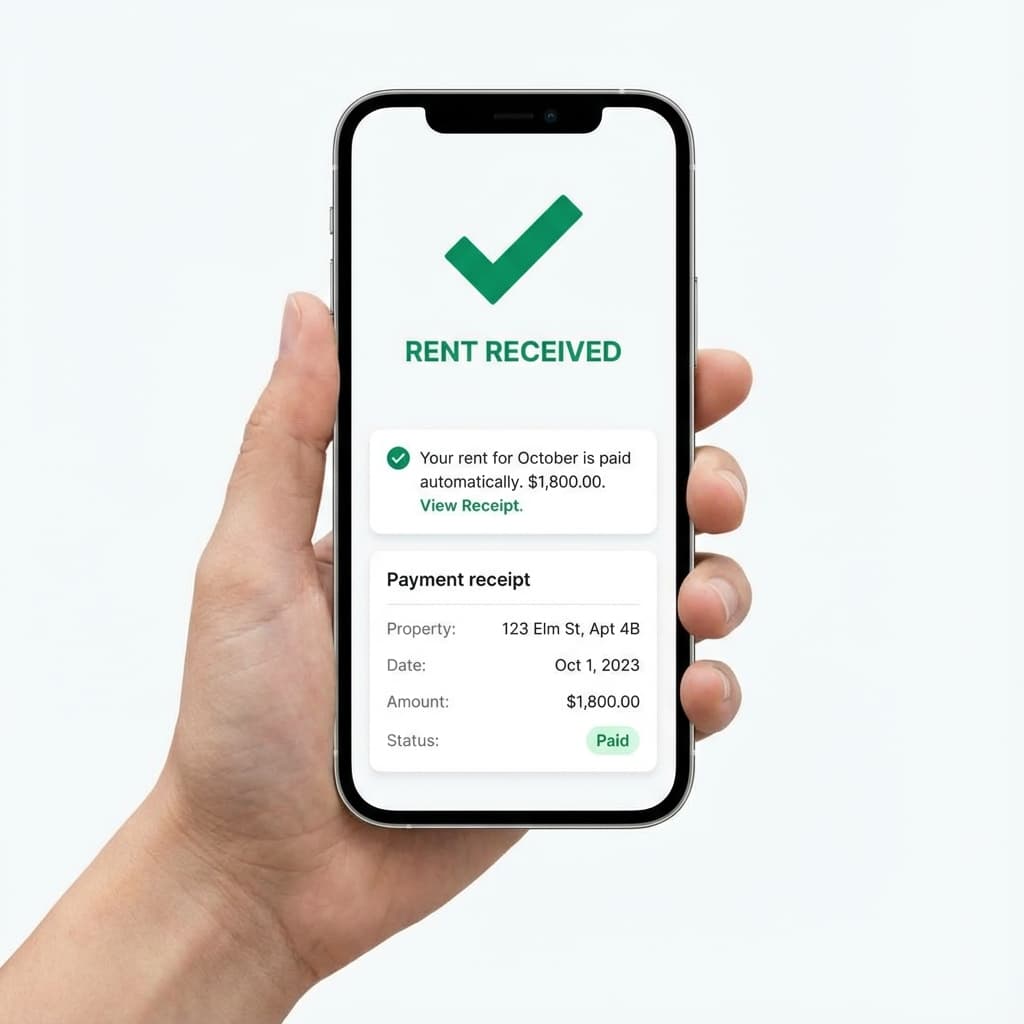
Finding the right tenant is one of the most critical decisions you'll make as a property owner. A good tenant pays rent on time, takes care of your property, and stays long-term. A bad tenant can cost you thousands in lost rent, property damage, and legal fees. The difference between a thorough screening process and a rushed one can mean the difference between a profitable investment and a financial nightmare.
This comprehensive guide walks you through every step of the tenant screening process, from initial application to final approval. We'll cover credit checks, background verification, income requirements, and the legal compliance you need to know to protect yourself and your property.
1 / The Application Process: Setting the Foundation
Before you can screen tenants effectively, you need a solid application process. This starts with creating a detailed rental application that collects all the information you need to make an informed decision.

What to include in your rental application
Your rental application should collect:
- Personal Information: Full name, date of birth, Social Security number, current address, phone number, email
- Employment Details: Current employer, job title, length of employment, supervisor contact, annual income
- Rental History: Current and previous landlords (last 3-5 years), rental addresses, monthly rent amounts, reason for leaving
- Financial Information: Bank accounts, credit card accounts, other income sources, monthly debt obligations
- References: Personal and professional references with contact information
- Additional Occupants: Names, ages, and relationships of all people who will live in the property
Legal Requirement: Always include a statement that you will run credit and background checks, and obtain written consent from applicants. This is required by the Fair Credit Reporting Act (FCRA).
2 / Credit Score Requirements: Setting Your Standards
Credit scores are one of the most reliable indicators of a tenant's financial responsibility. However, there's no one-size-fits-all credit score requirement—your standards should match your property and market.
Understanding credit score ranges
- Excellent (750+): These tenants have a strong credit history and are very likely to pay on time. Consider offering incentives like reduced security deposits.
- Good (700-749): Solid credit history with minor issues. Generally reliable tenants.
- Fair (650-699): Some credit issues but manageable. May require higher security deposit or co-signer.
- Poor (600-649): Significant credit problems. Proceed with caution and require additional safeguards.
- Very Poor (Below 600): High risk. Only consider with strong compensating factors (high income, co-signer, larger deposit).
Setting your credit requirements
For premium properties: Require 700+ credit score. These properties attract higher-income tenants who can afford premium rents.
For mid-market properties: 650+ credit score is reasonable. This balances risk with market availability.
For affordable housing: 600+ may be acceptable, but require additional verification (employment stability, rental history, co-signer).
Remember: Credit scores are just one piece of the puzzle. A tenant with a 680 credit score but excellent rental history and stable employment may be a better choice than someone with a 720 score but no rental history.
3 / Income Verification: Ensuring Affordability
The most common reason tenants fail to pay rent is that they simply can't afford it. Verifying income is crucial to ensure your tenant can consistently pay rent on time.
Income-to-rent ratio standards
Standard Rule: Monthly gross income should be at least 3x the monthly rent.
Example: If rent is $2,000/month, the tenant should earn at least $6,000/month ($72,000 annually).
Conservative Approach: Some property owners require 4x the monthly rent for extra security, especially in competitive markets.
How to verify income
-
Pay Stubs: Request the last 2-3 months of pay stubs. Verify they're recent and show year-to-date earnings.
-
Employment Verification: Call the employer directly to confirm:
- Employment status
- Job title and start date
- Current salary
- Employment stability (full-time, part-time, contract)
-
Tax Returns: For self-employed applicants, request the last 2 years of tax returns (Form 1040 with Schedule C or business returns).
-
Bank Statements: Review 2-3 months of bank statements to verify:
- Regular income deposits
- Account balance stability
- No overdraft fees or financial stress indicators
-
Offer Letters: For new employees, request a signed offer letter with start date and salary confirmation.
Red Flag: If an applicant can't provide recent pay stubs or their employer won't verify employment, this is a major warning sign. Proceed with extreme caution or reject the application.
4 / Background Checks: Protecting Your Property
Background checks reveal criminal history, eviction records, and other critical information that credit reports don't show. This step is essential for protecting your property and other tenants.
What to check in a background report
Criminal History:
- Felony convictions (especially violent crimes, drug manufacturing, property crimes)
- Recent misdemeanors (especially related to property damage or theft)
- Sex offender registry check (required in some states)
Eviction History:
- Previous evictions (major red flag)
- Unlawful detainer actions
- Small claims court judgments for unpaid rent
Bankruptcy:
- Recent bankruptcy filings (within last 2-3 years)
- Type of bankruptcy (Chapter 7 vs. Chapter 13)
Legal considerations for background checks
Fair Housing Compliance: You cannot have blanket policies that discriminate. For example:
- ❌ "No felons" (too broad, may violate Fair Housing)
- ✅ "No violent felonies in the last 7 years" (specific, job-related)
Individual Assessment: Always consider the nature, severity, and recency of any criminal history. A 10-year-old non-violent offense may not be relevant, but a recent violent crime is.
State and Local Laws: Some jurisdictions have "Ban the Box" laws that restrict when you can ask about criminal history. Check your local regulations.
My Property Platform integrates with leading background check services to streamline this process. You can run comprehensive checks with just a few clicks, and results are automatically stored in the tenant's file for future reference.
5 / Rental History Verification: Learning from the Past
A tenant's rental history is often the best predictor of future behavior. Previous landlords can tell you if the tenant paid on time, took care of the property, and followed lease terms.
Questions to ask previous landlords
- Payment History: "Did [tenant name] pay rent on time every month?"
- Property Condition: "How did they leave the property when they moved out?"
- Lease Compliance: "Did they follow all lease terms and rules?"
- Communication: "Were they easy to communicate with?"
- Length of Tenancy: "How long did they live there?"
- Reason for Leaving: "Why did they move out?"
- Would You Rent Again? "Would you rent to this tenant again?"
Red flags in rental history
- Multiple short-term rentals: If they've moved every 6-12 months, they may be unreliable or have been evicted
- Landlord won't return calls: This often means they have something negative to say
- No rental history: First-time renters need extra scrutiny
- Negative references: Even one negative reference from a previous landlord is a major concern
- Gaps in rental history: Unexplained gaps may indicate evictions or other problems
Pro Tip: Always verify you're actually speaking with the previous landlord, not a friend posing as one. Look up the property address and verify ownership, or ask for the landlord's business information.
6 / Red Flags to Watch For
During the screening process, certain warning signs should make you pause or reject an application. Here are the most critical red flags:
Financial red flags
- Income doesn't meet requirements: Even if they're close, this is a major risk
- Recent bankruptcy: Shows financial instability
- Multiple collections or judgments: Indicates inability to manage finances
- High debt-to-income ratio: Even with good income, too much debt is risky
- Unverifiable income: Can't provide pay stubs, tax returns, or employer verification
Rental history red flags
- Previous evictions: This is the strongest predictor of future problems
- Negative landlord references: Previous landlords won't recommend them
- Frequent moves: Moving every year suggests problems
- Damage to previous properties: Shows lack of respect for property
- Lease violations: History of breaking lease terms
Personal red flags
- Incomplete application: Missing information suggests they're hiding something
- Reluctance to provide information: Legitimate applicants are transparent
- Inconsistent information: Details don't match between application and verification
- Pushy or aggressive behavior: Professional tenants are respectful
- Criminal history: Depends on severity and recency (see legal considerations above)
When to reject an application
You should reject an application if the tenant has:
- Income less than 3x monthly rent (without compensating factors)
- Recent eviction (within last 2-3 years)
- Violent felony conviction (recent)
- Multiple serious credit issues with no explanation
- Unverifiable employment or income
- Negative references from previous landlords
Remember: Document everything. If you reject an applicant, keep detailed records of why. This protects you from Fair Housing complaints and helps you make consistent decisions.
7 / Legal Compliance: Protecting Yourself
Tenant screening must comply with federal, state, and local laws. Violations can result in costly lawsuits and fines.
Fair Housing Act compliance
The Fair Housing Act prohibits discrimination based on:
- Race or color
- National origin
- Religion
- Sex (including gender identity and sexual orientation)
- Familial status (having children)
- Disability
What this means for screening:
- Apply the same criteria to all applicants
- Don't ask about protected characteristics
- Make decisions based on objective criteria (income, credit, rental history)
- Document your screening process
Fair Credit Reporting Act (FCRA) requirements
If you use a credit reporting agency, you must:
- Get written consent before running checks
- Provide adverse action notices if you reject based on credit
- Give applicants a copy of their credit report if requested
- Follow proper procedures for handling disputes
State and local laws
Many states and cities have additional requirements:
- Security deposit limits: Maximum amounts vary by state
- Application fees: Some jurisdictions limit or prohibit fees
- Criminal history restrictions: "Ban the Box" laws in some areas
- Source of income protection: Cannot discriminate against Section 8 vouchers in many areas
Legal Best Practice: Consult with a local attorney familiar with landlord-tenant law in your area. Laws change frequently, and non-compliance can be expensive.
8 / The Decision Process: Putting It All Together
After collecting all information, you need a systematic way to evaluate applicants and make decisions.
Creating a scoring system
Many property owners use a point-based system:
Credit Score (30 points):
- 750+: 30 points
- 700-749: 25 points
- 650-699: 20 points
- 600-649: 10 points
- Below 600: 0 points
Income (25 points):
- 4x rent or more: 25 points
- 3-3.9x rent: 20 points
- 2.5-2.9x rent: 10 points
- Below 2.5x: 0 points
Rental History (25 points):
- Excellent references: 25 points
- Good references: 20 points
- Mixed references: 10 points
- Negative references: 0 points
Employment Stability (20 points):
- Same job 2+ years: 20 points
- Same job 1-2 years: 15 points
- New job (verified): 10 points
- Unstable employment: 0 points
Total Score:
- 80+ points: Strong candidate
- 60-79 points: Acceptable with conditions
- Below 60: Reject or require co-signer
Making the final decision
- Review all information together: Don't make decisions based on one factor alone
- Compare multiple applicants: If you have several applications, compare them side-by-side
- Consider compensating factors: Strong employment can offset lower credit score
- Trust your instincts: If something feels off, investigate further
- Document your decision: Keep records of why you approved or rejected each applicant
9 / Using Technology to Streamline Screening
Modern property management software can automate much of the tenant screening process, saving you time while ensuring consistency.
Benefits of automated screening
- Faster processing: Get results in hours instead of days
- Consistent criteria: Same standards applied to all applicants
- Legal compliance: Built-in FCRA compliance and adverse action notices
- Centralized records: All screening data in one place
- Integration: Connects with credit bureaus and background check services
What to look for in screening software
- Credit checks: Integration with major credit bureaus
- Background checks: Criminal history and eviction records
- Income verification: Automated employment and income verification
- Rental history: Previous landlord verification tools
- Application management: Online applications and document collection
- Compliance tools: FCRA and Fair Housing compliance features
My Property Platform includes comprehensive tenant screening tools that automate the entire process. From online applications to automated credit and background checks, you can screen tenants faster and more reliably than ever before.
10 / Tenant Screening Checklist
Use this checklist to ensure you don't miss any critical steps:
Pre-Application
- [ ] Create detailed rental application form
- [ ] Set clear income and credit requirements
- [ ] Prepare screening criteria and scoring system
- [ ] Review local Fair Housing laws
Application Collection
- [ ] Collect completed application from all adult occupants
- [ ] Collect application fee (if allowed in your area)
- [ ] Get written consent for credit and background checks
- [ ] Verify identity with government-issued ID
Verification Process
- [ ] Run credit check through reputable service
- [ ] Verify employment and income (pay stubs, employer call)
- [ ] Contact previous landlords (last 2-3 years)
- [ ] Run background check (criminal history, evictions)
- [ ] Verify bank accounts and financial stability
- [ ] Check references (personal and professional)
Decision Making
- [ ] Review all information together
- [ ] Score applicant using your criteria
- [ ] Compare with other applicants (if multiple)
- [ ] Document decision and reasoning
- [ ] Send approval or rejection notice (with reason if rejecting)
Post-Approval
- [ ] Collect security deposit and first month's rent
- [ ] Sign lease agreement
- [ ] Conduct move-in inspection
- [ ] Set up rent collection system
- [ ] Provide tenant with property information and emergency contacts
Conclusion: The Investment in Quality Screening
Thorough tenant screening is an investment that pays dividends. The time and effort you spend upfront finding the right tenant will save you from:
- Lost rent from non-payment
- Property damage and repair costs
- Legal fees from evictions
- Stress and time dealing with problem tenants
- Vacancy periods between tenants
A well-screened tenant who stays for 3 years is far more valuable than a poorly-screened tenant who causes problems and leaves after 6 months.
Remember: It's better to have a property sit vacant for an extra week or two while you find the right tenant than to rush into a bad decision that costs you thousands of dollars and months of headaches.
Resources for Property Owners
Ready to streamline your tenant screening process? Here are helpful resources:
Related Content
📝 Fill Vacancies Faster: Marketing Guide for Landlords
Discover the most effective marketing channels for rental properties and learn how to reduce vacancy times while attracting quality tenants.
📝 The True Cost of Evicting a Tenant: Complete Guide + Calculator (2026)
Evictions cost $3,500-$8,500 on average. Learn eviction cost breakdowns, state variations, and prevention strategies.
📝 First-Time Landlord Complete Playbook: Your Ultimate Guide to Year One
Step-by-step guide for first-time landlords covering property prep, legal setup, tenant screening, and ongoing management.
🔧 ROI Calculator
Calculate return on investment
🔧 Property Investment Analyzer
Comprehensive property analysis tool
🔧 BRRRR Calculator
Analyze buy-rehab-rent-refinance deals